

Risk-O-Meter Explained
Understanding the Risk-O-Meter
The Risk-O-Meter is a visual tool on Blanket that helps you quickly assess the risk level of investments. It provides a clear, intuitive way to understand how much risk you're taking with a particular stock, mutual fund, or portfolio.
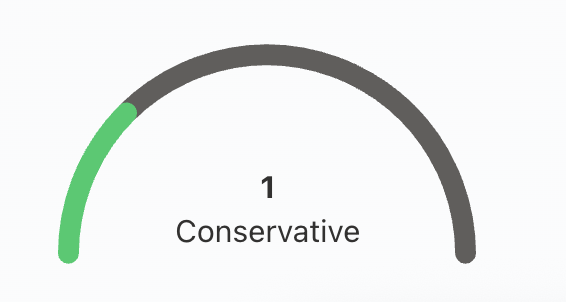
Risk Levels
The Risk-O-Meter typically displays risk on a scale, often categorized as:
- 🟢 Low Risk - Conservative investments with stable returns
- 🟡 Moderate Risk - Balanced investments with moderate volatility
- 🟠 Medium-High Risk - Growth-oriented investments with higher volatility
- 🔴 High Risk - Aggressive investments with significant volatility
Where to Find It
The Risk-O-Meter appears on:
- Stock Pages - Shows the risk level of individual stocks
- Mutual Fund Pages - Displays the risk level of mutual fund schemes
- Portfolio Pages - Shows overall portfolio risk assessment
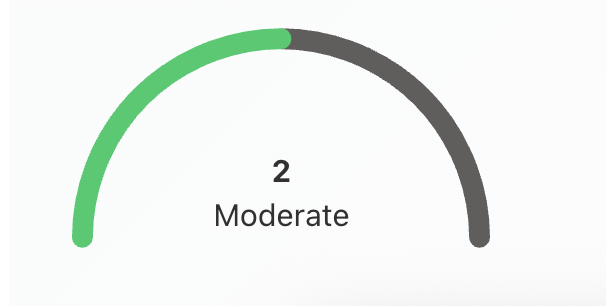
How to Interpret the Risk-O-Meter
For Conservative Investors
If you're risk-averse or nearing retirement, focus on investments with 🟢 Low or 🟡 Moderate risk levels. These typically offer:
- More stable returns
- Lower volatility
- Capital preservation focus
For Growth-Oriented Investors
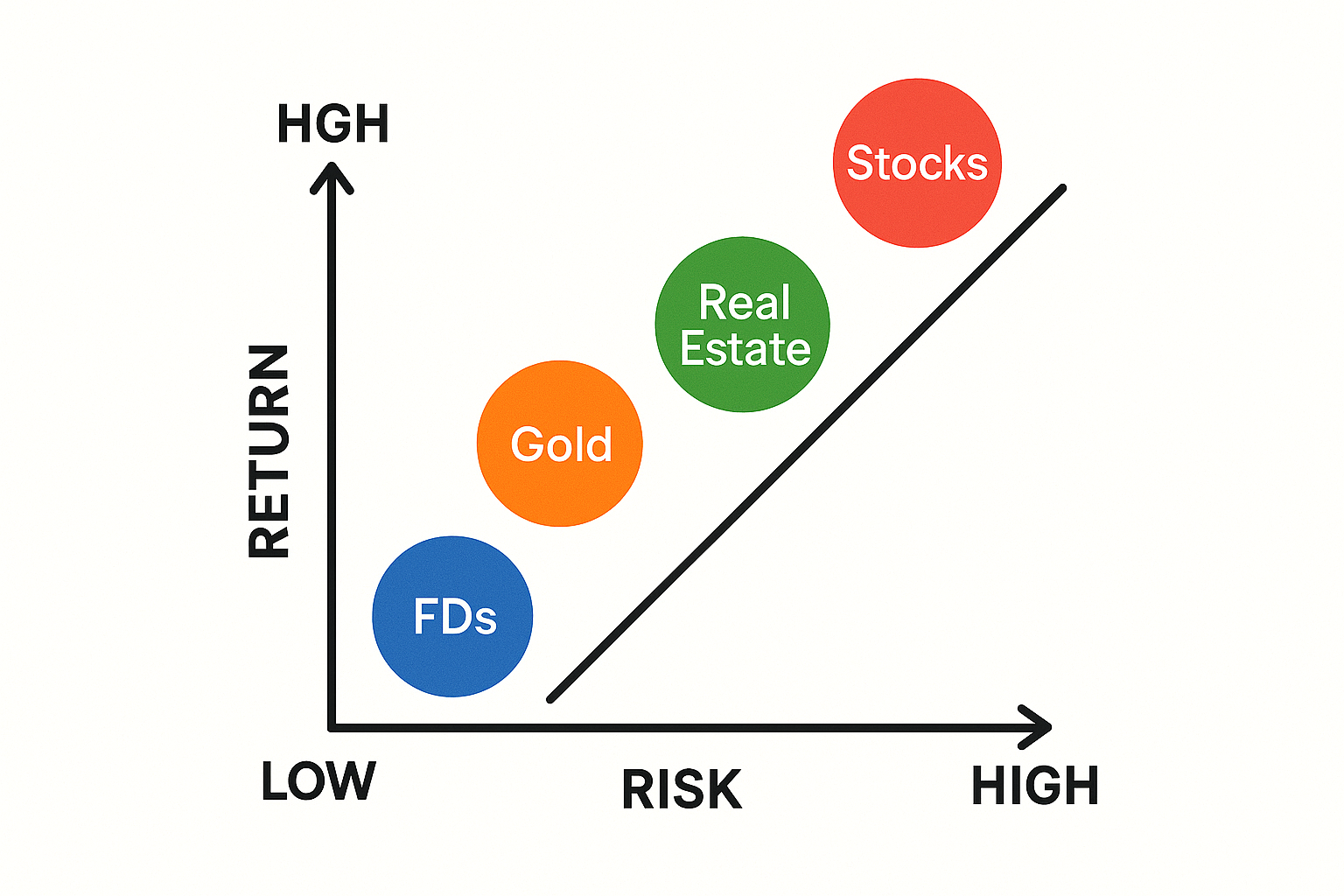
If you're comfortable with higher risk and have a long investment horizon, you might consider investments with 🟠 Medium-High or 🔴 High risk levels, which offer:
- Higher return potential
- Greater volatility
- Capital appreciation focus
Using Risk-O-Meter with Other Tools
Combine the Risk-O-Meter with:
- Blanket Pulse Rating - Check both risk and investment quality
- Your Risk Profile - Ensure investments match your risk tolerance
- Portfolio Diversification - Balance high and low-risk investments
Important Note
Risk levels are indicative and based on historical volatility and other factors. Past performance doesn't guarantee future results. Always assess your own risk tolerance and investment goals before making decisions.